Tips & Guides
Practical knowledge from our team to help you prepare for a safe, comfortable, and unforgettable adventure.
Gear Selection Guides
Choosing the Right Ski Setup
Your skill level and the terrain you plan to ski determine the best equipment. Beginners benefit from shorter, softer skis that turn easily. Intermediate skiers should consider all-mountain skis with moderate width for versatility across groomed and ungroomed terrain.
For powder days in Hakuba, wider skis (100mm+ underfoot) with rocker profiles provide the float needed in deep snow. Advanced skiers heading off-piste should consider our backcountry touring setup, which includes avalanche safety equipment.
Selecting Your Hiking Pack
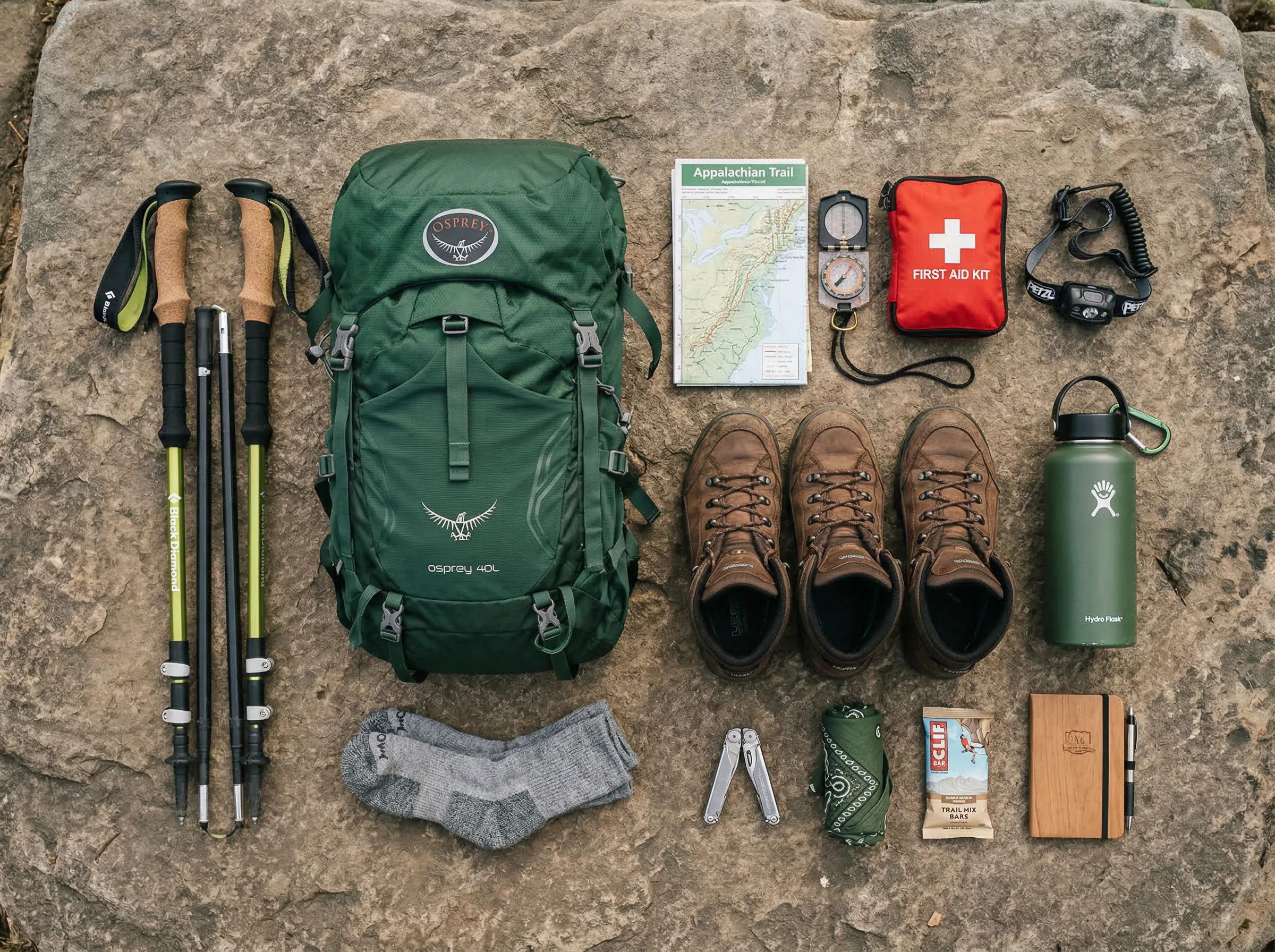
Pack size should match your trip duration. A 25L daypack handles day hikes with water, snacks, and a rain layer. For mountain hut stays (1-2 nights), a 35-40L pack carries your sleeping bag liner, change of clothes, and food. Multi-day camping trips require a 55L+ pack.
Proper fit matters more than brand. Your hip belt should sit on your iliac crest (hip bones), carrying 80% of the weight. Shoulder straps should wrap your shoulders without gaps or pressure points. Our staff will adjust every pack before you leave the shop.
Camping Gear Essentials
Japan's mountain weather can change rapidly. Even in summer, nighttime temperatures at altitude drop to near freezing. Choose a sleeping bag rated at least 5°C below the expected low temperature. Our sleeping systems are rated to -5°C, suitable for most three-season conditions.
For tent selection, consider your campsite. Designated sites in the Northern Alps are often small and rocky. Our freestanding tents don't require staking and include a footprint to protect the tent floor on rough ground.
Climbing Gear Basics
If you're new to climbing in Japan, start at the accessible sport crags near Hakuba village. Our sport climbing package includes everything needed for single-pitch routes: harness, rope, quickdraws, and belay device. Climbing shoes should fit snugly but not painfully.
For alpine routes and multi-pitch climbing, experience with trad placement, route-finding, and self-rescue is essential. Our expert staff can brief you on current route conditions and recommend the right rack for specific climbs.
Packing Checklists
Never forget an essential item. Use these checklists or try our interactive Trip Packer for a customized list.
Safety Information
Mountain Weather
Mountain weather in the Northern Alps changes rapidly. Always check the forecast before heading out and be prepared to turn back if conditions deteriorate. Carry rain gear even on sunny days, as afternoon thunderstorms are common in summer.
- Check JMA weather forecasts for Nagano Prefecture daily
- Start early to avoid afternoon storms
- Turn back if visibility drops below 50 meters
- Hypothermia risk exists even in summer above 2,500m
Wildlife Awareness
The Japanese Alps are home to Asian black bears, Japanese serow, and macaques. While encounters are rare, take precautions especially during dawn and dusk hours in forested areas.
- Carry and use a bear bell on all trails
- Store food in bear canisters or hang from trees
- Never approach or feed wildlife
- Make noise when rounding blind corners on trails
Avalanche Safety
Backcountry skiing and winter mountaineering carry avalanche risk. Never venture beyond resort boundaries without proper training, equipment, and a partner.
- Carry beacon, probe, and shovel (included in our BC kit)
- Check the Nagano Avalanche Center bulletin daily
- Travel with a partner and maintain visual contact
- Take an avalanche safety course before your first backcountry trip
Emergency Contacts
Be prepared for emergencies by saving these contacts and registering your hiking plan with the local authorities before departing on any mountain route.
- Emergency Services: 110 (Police) / 119 (Fire/Ambulance)
- Mountain Rescue: Nagano Prefecture Police Mountain Division
- Our Shop: 555-867-5309 (7:00 AM - 7:00 PM daily)
- Submit hiking registration forms at trailheads